
Southern Cross Veterinary Clinic
BOAS Without Surgery: What Works for Pugs and Bulldogs
Updated: November 11, 2026
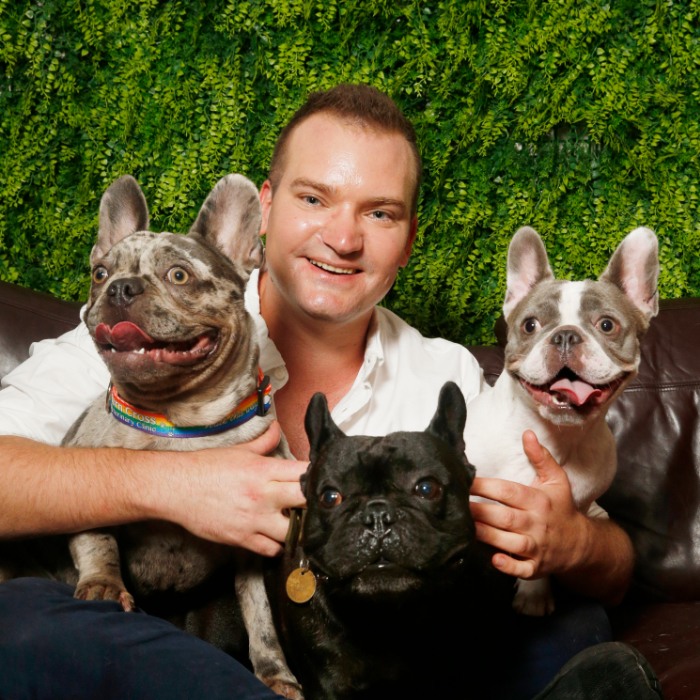
If your French Bulldog snores loudly, takes longer to recover or cool down after exercise with a lot of panting, or works hard to breathe even when lying still, you may have searched for BOAS without surgery. Some measures genuinely help, and every flat-faced pet with noisy, effortful breathing should have them in place. The honest truth is that most non-surgical care only lightens the load on a narrow throat rather than widening it.
This guide covers what is worth trying, what is not, and when surgery becomes the sensible next step. It comes from our experience at Southern Cross Vet, where Dr Sam Kovac has pioneered minimally invasive airway surgery and performed more than 1,500 BOAS operations.
What is brachycephalic obstructive airway syndrome?
Brachycephalic obstructive airway syndrome (BOAS) is a group of abnormalities in the nose and throat of brachycephalic breeds such as French Bulldogs, pugs and bulldogs. The usual problems are stenotic nares (pinched nostrils), an elongated soft palate that hangs into the entrance of the windpipe, and everted laryngeal saccules, with laryngeal collapse in more severe cases. In one three-breed study, about 75% of pets with grade II or III disease had stenotic nares, compared with 31% of those at grade 0 or I.
Common signs include noisy breathing, snoring, exercise intolerance, coughing, gagging, regurgitation, collapsing and overheating. The condition is lifelong and often progressive, and it takes a toll on quality of life, which matters when you are deciding on how long to wait.
BOAS Without Surgery: What Is Realistic?
Management is realistic, but a permanent correction is not. Veterinary researchers list conservative options as weight loss, exercise restriction, anti-inflammatories, glucocorticoids, gastric acid-binding drugs, oxygen, use of a harness instead of a collar, and the avoidance of heat.
None of those changes the shape of the nostrils, palate or larynx. They reduce the demand on the passages or calm the inflammation around them; in mild cases, that can be enough for a while. In moderate and severe cases, it usually is not, and the typical pattern unfortunately is that owners do everything right, the pet improves a little, then plateaus.
A sensible plan is to try the measures below for a defined period, usually a few months, while getting the throat graded so you know what you are dealing with. Our article on BOAS grading versus endoscopy explains how the assessment works.
Non-Surgical Measures Worth Trying
BOAS weight loss: the most useful change you can make
Excess body fat and narrow passages feed each other. In a study of 3 breeds, obese pets had 1.9 times the odds of grade II or III disease, and 62% of the pugs were obese compared with 13% of the French Bulldog participants. The RSPCA notes that extra kilos can significantly worsen respiratory trouble.
Ask us for a body condition score, measure food rather than scooping it, and cut treats first. Our team can build a plan around your pet’s dietary needs. Slimming down will not open pinched nostrils, but it can make a real difference to effort and stamina.
Heat and exercise management
Heat is the biggest daily threat. A large UK study of more than 900,000 pets found flat-faced breeds had higher odds of heat-related illness than other head shapes, including 2.36 times for environmental heat and 3.07 times for heat in vehicles. A French Bulldog faced about three times the exertional risk of a Labrador.
You can try walking at the coolest times of day, providing shade and ventilation, and never leaving your dog in a vehicle. Keep outings short and unhurried, and stop at the first sign of struggling.
Y front dog harness for BOAS
Swapping a collar for a harness is a standard conservative recommendation, as the researchers’ list shows. Y-front designs are popular because the straps cross the chest rather than the throat. Be realistic about the evidence, though: a 2025 study comparing restraints noted there is limited research on the best restraint type, so no one can honestly say one shape is proven superior. A well-fitted harness is kinder to the neck, but it does nothing to widen the nose or throat.
Medication for BOAS management
This kind of treatment is supportive. Your vet may prescribe short courses of anti-inflammatories or glucocorticoids for swelling and gastric acid-binding drugs for reflux, all of which appear in the conservative treatment approach. The evidence is still developing: further studies are needed to show whether antacids, prokinetics or antiemetics reduce regurgitation and respiratory trouble.
These are prescription medications. Never give human drugs to calm a struggling pet, because sedation and anaesthesia carry extra risks in flat-faced breeds.
What Does Not Work Instead of Surgery
Natural products and herbal tonics
The safe measures are the ones above: a cool room, a healthy body size, a harness and calm routines. None of them is a true alternative to correcting the anatomy. Anything marketed as a natural tonic, herbal blend or breathing aid is not on the list of recognised conservative options, and nothing you give by mouth can reshape a soft palate.
Waiting it out
The most common BOAS alternative we hear about is simply waiting. Because the condition is lifelong and often progressive, waiting does not make anything better. Waiting and seeing makes the negative pressure and throat collapse continue, leading to laryngeal collapse and laryngeal saccules, which do not have a surgical option. It can also cost you the best window for an operation, as the next sections explain in more detail.
Frenchie Breathing Without Surgery: Settling an Episode
If your French Bulldog is panting hard after exertion or heat, act as you would for early heatstroke, which the RSPCA calls a life-threatening emergency. Move them somewhere cool and ventilated, apply cool water to the fur or skin, use a fan or air-conditioning, and contact a vet straight away. Warning signs include constant panting, pale or red gums, vomiting, weakness and collapse. Waiting and seeing often makes the negative pressure and throat collapse continue, leading to laryngeal collapse and laryngeal saccules, which do not have a surgical option.
When BOAS Surgery Becomes the Right Decision
Consider an operation when signs are moderate or severe, when your pet collapses or cannot exercise, or when a few months of conservative care has plateaued. Timing matters. An Australian study of 248 dogs found that those with post-operative complications were older (5.5 versus 4.1 years on average), and the authors recommended elective surgery at an earlier age. Laryngeal collapse was also linked to poorer outcomes, which is another reason not to wait for the disease to advance.
It helps to know what the procedure can and cannot do. In a 2025 prospective study, 44% of dogs improved by at least one BOAS grade four weeks after the operation, and owners reported less exercise intolerance in 13 of 18 dogs, with six becoming free of it. Just over half stayed at the same grade, and the dogs remained less fit than unaffected controls. Technique and case selection matter: a prospective study of 50 dogs found a modified multilevel approach was associated with better outcomes than traditional multilevel surgery.
How Minimally Invasive BOAS Surgery Changes a French Bulldog’s or Pug’s Life
Our approach corrects the nostrils, soft palate, laryngeal saccules and other contributing anatomy in a single multi-level procedure. After more than 1,500 operations, the change owners describe most often is a simple one: their pet can breathe through the nose, sleep quietly and enjoy a walk without stopping to recover. For a pug that has spent years fighting for air, being able to breathe properly is the difference between surviving the day and enjoying it, and quality of life is what we are aiming to restore.
We do not promise a perfect result. Flat-faced anatomy stays flat-faced. What the procedure offers is a wider, calmer passage for air, and the research above shows most owners notice a meaningful improvement.
Is BOAS Surgery Expensive? How a Fixed Price Changes the Maths
Many owners assume this operation is out of reach. Our fixed price BOAS surgery starts from $4,999 including GST, the same for every breed and size, and is confirmed in writing before you consent. It includes your consultation, the multi-level correction, dedicated anaesthetist monitoring, all associated medications, a customised plan and unlimited personal follow-up with Dr Sam until your pet recovers. Extended care for a serious complication may incur additional fees, which we explain before surgery. Many insurance policies cover the procedure, so we help with pet insurance pre-approval at no charge. Cover depends on your policy and on whether the condition is classed as pre-existing or hereditary.
How risky is it?
Every anaesthetic and throat operation carries risk, and it is worth knowing the numbers. In the Australian study of 248 dogs, 23.4% had post-operative respiratory complications, ranging from extra oxygen to re-intubation or a temporary tracheostomy, and 2.4% died. Age, other throat disease and emergency presentation predicted trouble. That is the case for acting early: a young, otherwise healthy pet having planned surgery sits at the low-risk end, while an older pet rushed in during a crisis sits at the other.
Can surgery save money over time?
Compare the fixed price with what untreated BOAS tends to cost. There are repeat consults, courses of medication, emergency visits when a hot day goes wrong, and the heat-related illness risk described above. A one-off fixed price replaces an open-ended run of those bills.
We cannot promise a longer life. Flat-faced breeds do live shorter lives, with the typical French Bulldog living a median of 9.8 years compared with 12.5 years across all pets, and lifespan has many causes. What we can say is that a pet who breathes easily exercises more, stays leaner more easily and spends far less time in distress. That is a healthier, happier pet, and often leads to reduced vet bills.
Book a Free BOAS Consult: Questions to Ask
A free consult is the quickest way to find out where your pet sits. There is no obligation to proceed. Book a free consult at St Peters, Bellevue Hill or Surry Hills, or arrange a telehealth BOAS consult by video. Phone St Peters on 02 9516 0234, Bellevue Hill on 02 9389 7534 or Surry Hills on 02 9699 3951.
Bring these questions with you:
- What grade is my pet, and how was it assessed?
- Which parts are affected: nostrils, soft palate, saccules or larynx?
- Which non-surgical measures should we try first, and for how long?
- Which surgical technique do you use, and how many have you performed?
- What exactly does the fixed price include, and what could add cost?
- What are the risks for my pet’s age and breed, and how is recovery monitored?
- What results can I realistically expect?
- What does recovery look like, and who do I call if I am worried?
- Can you help with insurance pre-approval?
Ready to see the full inclusions? Read about our fixed price BOAS surgery, and our BOAS surgery and recovery guide to see what the weeks after the operation look like.
Frequently Asked Questions
Are Y-shaped harnesses good for brachycephalic dogs?
They are a good choice compared with a collar, because the straps sit across the chest instead of the throat, and a harness is a recognised conservative measure. No study has shown that Y-shaped designs beat other harness shapes, and researchers note the evidence on restraints is limited. Fit and comfort matter most.
Can BOAS in dogs be treated without surgery?
It can be managed but not corrected. Body condition control, heat avoidance, a harness and some drugs ease the load, but the narrowed anatomy stays as it is. The conservative options are worth trying first, and many pets with moderate or severe disease still need surgery.
Can weight loss help manage BOAS in dogs?
Yes. Obese pets in one study had 1.9 times the odds of grade II or III disease. Slimming down improves stamina and reduces effort, but it does not fix stenotic nares or an elongated soft palate.
Does BOAS get worse with age?
The RSPCA describes it as lifelong and often progressive. One single-time-point study of adult pets did not find age significantly associated with grade, so the pattern is not uniform. What is clear is that older pets had more surgical complications, so earlier assessment helps.
How can I help my Pug breathe better?
Start with body condition, since pugs in one study had the highest obesity rate of three breeds at 62%. Keep them cool, use a harness, avoid midday outings and get the throat graded. If signs are moderate or severe, ask about an operation.
How can you help a Frenchie with breathing problems without surgery?
Use the same toolkit: a lean body, a cool environment, short walks at cool times of day, a harness and, where your vet recommends it, anti-inflammatory or gastric drugs. See the section on settling an episode for what to do if breathing becomes laboured.
How is brachycephalic airway syndrome managed?
Mild disease is managed with a lean body, heat and exercise control, a harness and supportive drugs. An operation corrects the anatomy and is generally advised for severe cases or when conservative care plateaus. A vet should grade your pet before choosing a path.
How to calm down a French Bulldogs breathing?
Move your pet somewhere cool and ventilated, apply cool water to the fur or skin, run a fan, and contact a vet straight away if panting does not ease. Do not use sedatives from home.
Is BOAS surgery worth it for my dog?
For most pets with moderate or severe signs, yes. In a prospective study, owners reported improvement in exercise intolerance in 13 of 18 dogs, with six becoming free of it. Results vary, and surgery does not create a normal anatomy, so a free consult to discuss realistic expectations is the best next step.
What are some alternatives for managing BOAS in dogs?
The alternatives are slimming down, restricted exercise, heat avoidance, a harness, and short courses of anti-inflammatory or gastric drugs. All are listed among conservative options. They support the throat, but none replaces an operation in moderate or severe disease.
What are some home remedies for pug breathing problems?
Safe options are a cool room, a lean body, a harness and calm routines. Herbal or “natural” airway products are not among the recognised conservative options. See the section above on what does and does not help.
What does labored breathing look like?
The RSPCA lists breathing difficulty, noisy breathing, snoring, exercise intolerance, coughing, gagging, regurgitation, collapsing and overheating. Constant panting, pale or red gums, vomiting and weakness suggest heatstroke, which needs urgent veterinary care.
What home remedy can I give my dog for hard to breathe?
There is no safe remedy to give by mouth. Cool the pet with room-temperature water, keep the environment cool and seek veterinary attention immediately. Do not give human drugs.
What is the best harness for brachycephalic dogs?
No harness has been proven best. Choose one that keeps pressure off the throat, does not restrict the chest or shoulders, and fits snugly without rubbing. Researchers note limited evidence on restraint type, so fit is a better guide than brand.
What is the best Y-front dog harness for dogs with BOAS?
There is no ranking backed by research. Look for adjustable straps, a padded chest panel and a design that does not ride up toward the neck. If you are unsure, bring the harness to a consult and we will check the fit.
What medication can I give my dog to calm down after surgery?
Only what your vet has prescribed. Flat-faced breeds carry extra risks with sedation and anaesthesia, so never give human sedatives or leftovers. Our fixed price includes every medicine your pet needs afterwards and direct access to Dr Sam during recovery.
What medications are used to treat collapsed trachea in dogs?
The Merck Veterinary Manual lists cough suppressants, antibiotics, bronchodilators and corticosteroids, alongside slimming overweight pets, restricted exercise and reducing excitement. A collapsing trachea is a different problem from BOAS, so your pet needs a proper assessment to tell them apart.
What medications can be used to manage BOAS in dogs?
Anti-inflammatories, glucocorticoids and gastric acid-binding drugs are the commonly listed options. Evidence that antacids, prokinetics or antiemetics reduce respiratory trouble is still limited. Drugs support the throat; they do not widen it.
When should I worry about my French Bulldog breathing?
Worry when breathing is noisy at rest, your pet tires quickly, gags or regurgitates, or collapses. Treat constant panting, pale or red gums, vomiting or weakness as an emergency. If in doubt, book a free BOAS consult so we can grade your pet and explain the options.
First published: November 11, 2026
Written By:
Dr.Sam
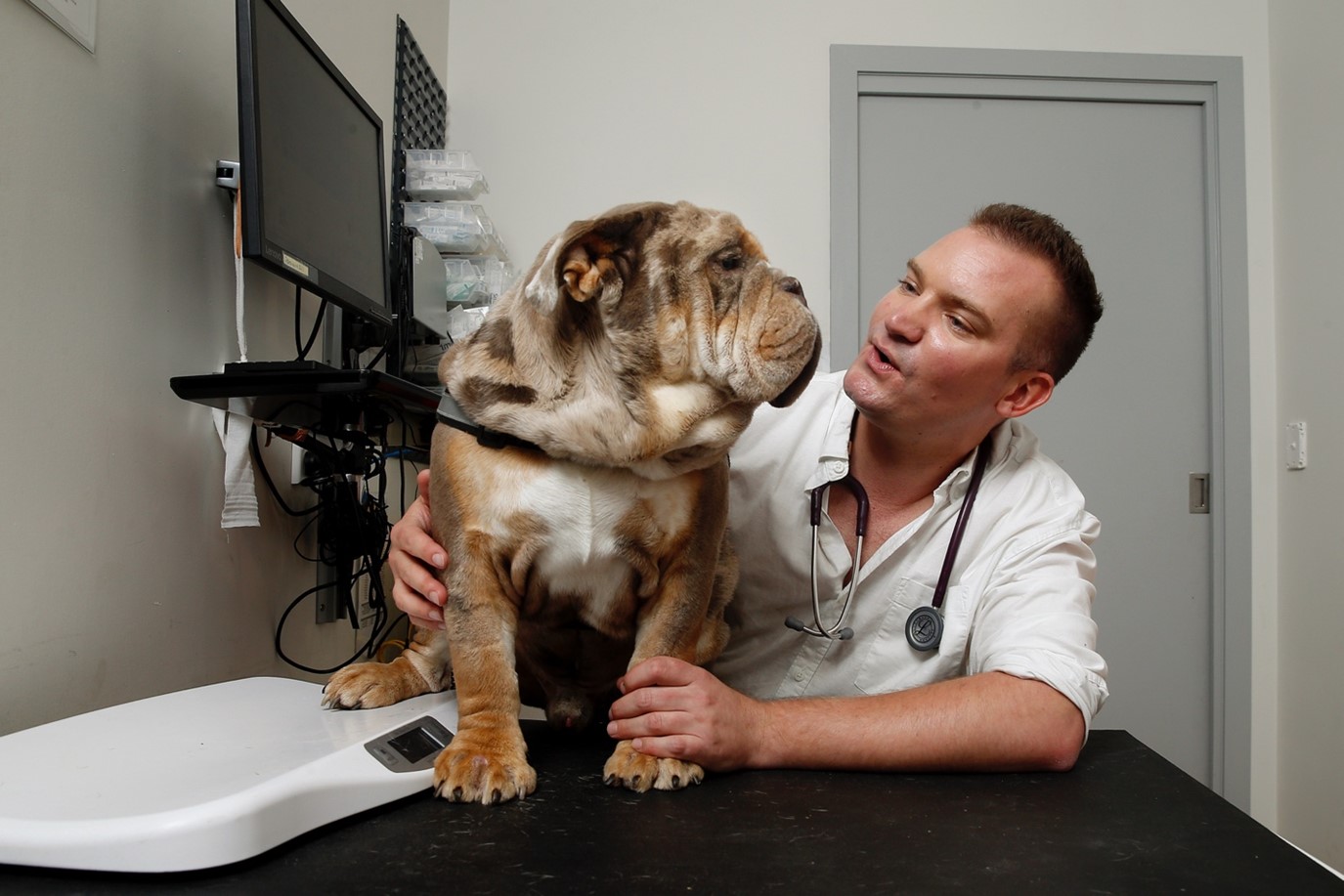
Dr Sam followed his dream of becoming a veterinary surgeon which began at age three. Since then, he has developed a strong interest in oncology, internal medicine and animal behaviour. Dr Sam continues his passion for providing the most up-to-date care to his patients and their two-legged family.